
Designing schools for a future that's already here


It’s no secret that schools today face a complex mix of pressures. AI is changing how we think about learning and the future of work, teacher workloads keep rising, and workforce shortages show little sign of easing.
Meanwhile, students graduating in the next decade are stepping into a whole new world already shaped by automation, constant information, and a broad network of digital systems. While some people still frame this new world as something far off, the reality is, it’s well and truly here.
When we pause to look at this changing landscape, it’s clear that beyond knowledge, students fundamentally need capability. For example, as the OECD’s Learning Compass highlights, judgement, and independence are essential for navigating complexity. And research from the World Economic Forum further highlights that problem-solving, adaptability, and collaboration are among the fastest-growing skills in the global economy.
However, these aren’t skills students pick up automatically through exposure alone. As the ‘Designing schools for a future that isn’t optional’ guide highlights, deeper learning, such as application, feedback, and practice, requires time and cognitive space within the learning process.
So the question is: Are we designing schools for the world students are entering, or the one we’re used to?
Students still need human, high-quality teaching
In times of uncertainty, it can be tempting to look for entirely new answers or reinvent teaching. But research and classroom experience show that even as so much shifts, the basics of effective teaching remain the same.
Students learn best with:
- Clear explanations
- Structured sequencing of knowledge
- Worked examples
- Timely, actionable feedback
Evidence from the Education Endowment Foundation, along with the work of Dylan Wiliam and John Hattie, consistently points to the same idea: clarity, feedback, and deliberate practice drive student progress.
Teachers already know this, but the challenge is making it happen consistently. When lessons aren't aligned across year levels, resources are scattered, and feedback is slow or disconnected, teachers spend more time piecing things together than teaching.
When high-quality teaching is built into the system through clear sequencing, consistent practice, and connected feedback, teachers can focus on helping students think critically and apply what they know.
Some schools are already doing this: students spend an hour or two on core lessons online, and the rest of the day is about applying that learning in real-world or hands-on ways.
— Will Ansell, STEM Content Manager at Atomi
Students need teachers with capacity, and AI can help
Teachers' workload directly affects what students learn every day. And yet much of their time still goes to administrative tasks like grading, reporting, and managing multiple platforms.
High-impact teaching, such as giving tailored feedback, adjusting lessons on the spot, or supporting students' thinking, requires focus and time.
When teachers are pulled in too many directions, their capacity to do these things is, of course, reduced. Misunderstandings go uncorrected, momentum slows, and capability learning takes a backseat.
If schools redesign systems to reduce unnecessary tasks, teachers can spend more time on high-quality teaching, helping students practise, and supporting their development through tailored feedback. Protecting teacher capacity creates space for teachers to focus on the work that matters most.
In short, the "future" of school systems, which is already evolving today, will be designed to:
- Give students time to practise applying knowledge
- Ensure teaching is clear, structured, and consistent
- Protect teachers' time so they can focus on helping students grow
Teachers spend so much time on heavy admin, from trying to give detailed feedback to 30 students to writing exemplar answers at different grade levels and more. With AI tools streamlining some of this admin, teachers won't be stuck at a desk grading and planning all day. Their role will shift to being mentors and learning facilitators with more time to focus on helping students individually grow.
— Will Ansell, STEM Content Manager at Atomi
When schools have coherent curriculum sequencing, clear learning progressions, and integrated feedback systems, teachers can quickly see what students need next without spending hours piecing it together. These structures are deliberate design choices for the future.
When they exist, teachers can focus on supporting students to think deeply, apply knowledge, and build skills for the world ahead. Technology strengthens clarity at scale, letting teachers spend their energy where it matters most: judgment, human insight, and meaningful interaction.
Thoughtful design is where it begins
Schools now have tools that can manage foundational content, provide immediate feedback, and give real-time insights into student progress.
They help by:
- Reducing repetition and duplicated work
- Speeding up feedback cycles so students can act on it quickly
- Providing clear visibility into student progress
- Freeing up time for teachers to focus on coaching, extending thinking, and supporting collaboration and judgement
Designing schools for a world that's already here requires deliberate choices: focusing on the skills students need, building clear and coherent teaching systems, and protecting teacher capacity.
The goal is simple: students leave school not just with knowledge, but with the confidence and ability to use it in the world around them. At its core, this is about designing smarter, not harder; creating systems that make teaching more effective and learning more meaningful, without adding extra strain for teachers or students.
For years, classrooms haven't empowered students as much as they could because teachers are burnt out. But with AI lifting some of that burden, I see classrooms becoming much happier places. More fun, more engaging, where both teachers and students can thrive.
— Will Ansell, STEM Content Manager at Atomi
For school leaders, the question you might ask yourself and your team is: Do our systems support clarity, feedback, and teacher capacity, or do they get in the way?
References
Subscribe to our newsletter
Get the latest teaching and learning insights delivered to your inbox.
You can unsubscribe at any time, no hard feelings.
Subscribe to our newsletter
Get the latest teaching and learning insights delivered to your inbox.
You can unsubscribe at any time, no hard feelings.

What's Atomi?
Short, sharp videos and lessons
Easy to understand, super engaging, and matching what you’re learning in class. Available for 100s of subjects across your high school years.
Practice that actually works
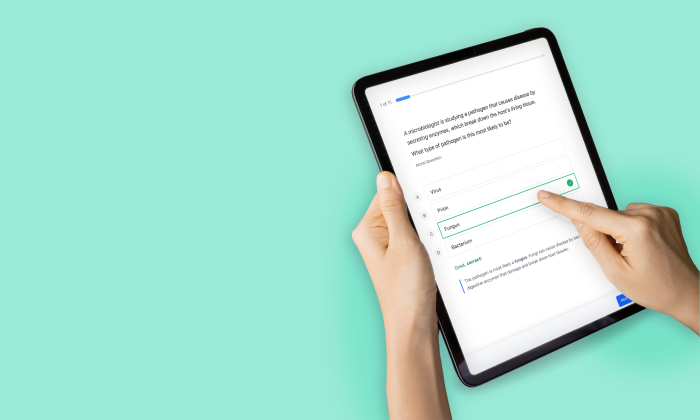
With heaps of questions and smart AI feedback that shows you what you’ve nailed and what to work on—so you won’t just feel ready, you’ll be ready.
Simple, smart study tools
Improve your study game, get AI-driven tips tailored to you, keep tabs on your progress and unlock insights so you can always hit your goals.
What's Atomi?
Curriculum-specific videos
Captivating and impactful video-first content, fit for all types of learners and grounded in the absolute must-have info of the high school curriculum.
Dynamic assessment tools
Active recall quizzes, topic tests and exam practice enable students to get immediate feedback and build skills, while allowing teachers to differentiate instruction.
Simple yet powerful tools
Create engaging learning experiences with easy-to-use tasks, get actionable insights to differentiate instruction and experience intelligent personalisation for your students.
What's Atomi?
Engaging curriculum-specific videos
Short, curriculum-specific videos and interactive content that’s easy to understand and backed by the latest research.
Student assessment tools
Active recall quizzes and practice sessions enable students to build their skills, put knowledge into practice and get feedback.
Powerful intelligence
Our AI understands each student's progress and makes intelligent recommendations based on their strengths and weaknesses.